Spaces / 6 min read /
Hospitality Experience Design: Build Belonging
Published by XR Experience · Industry analysis
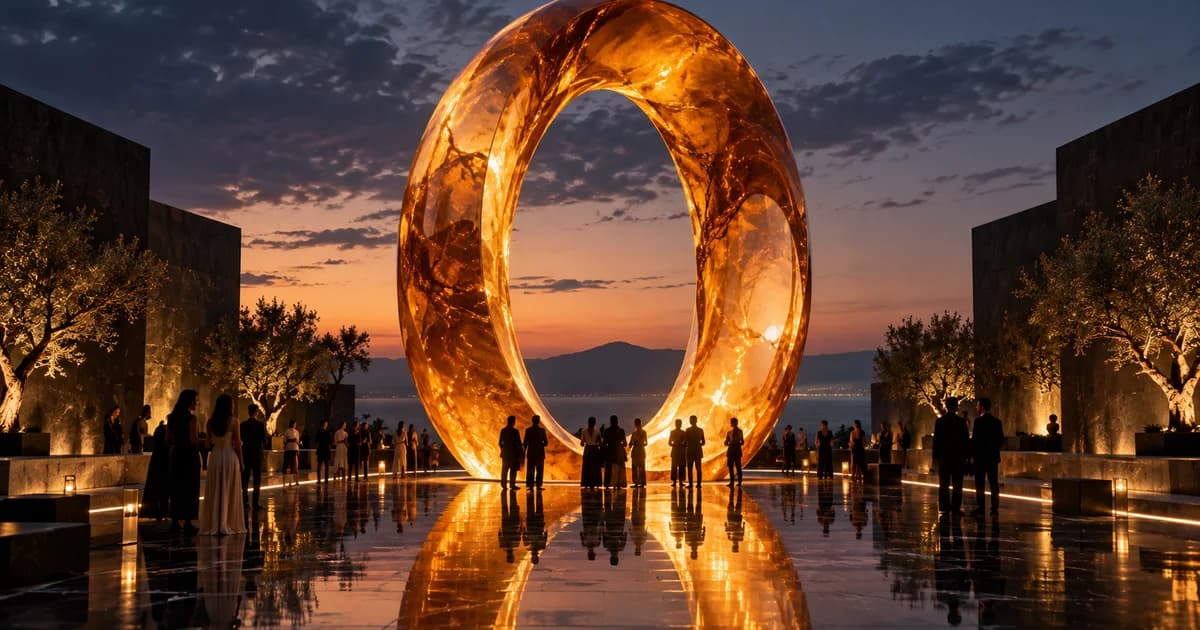
A hospitality space can be striking and still leave a guest unsure where to go, how to settle in or whether they belong. Hospitality experience design connects the physical environment with the way people are received. The result should not depend on a single dramatic reveal. It should hold together through arrival, waiting, conversation, dining and departure, including the ordinary moments that rarely appear in the photographs.
What does belonging mean in hospitality design?
Belonging means a guest can understand the place and choose how to use it without feeling out of place. It does not require every visitor to have the same experience. Some want conversation and activity; others want privacy or a quiet pause. The environment should make those options legible while preserving a coherent character.
In Gensler's January 2026 hospitality outlook, its designers discuss cultural immersion, wellness and the relationship between physical and digital life. These are useful design themes, not a prescription for every property. A neighbourhood café, a destination hotel and a private event need different expressions of welcome.
Write the intended feeling in concrete terms. Does the arrival need to feel calm, celebratory, exploratory or private? Then test whether the operational decisions support it. A quiet concept paired with an exposed check-in queue sends mixed signals. An energetic venue with nowhere to step aside can exclude guests who would otherwise enjoy it.
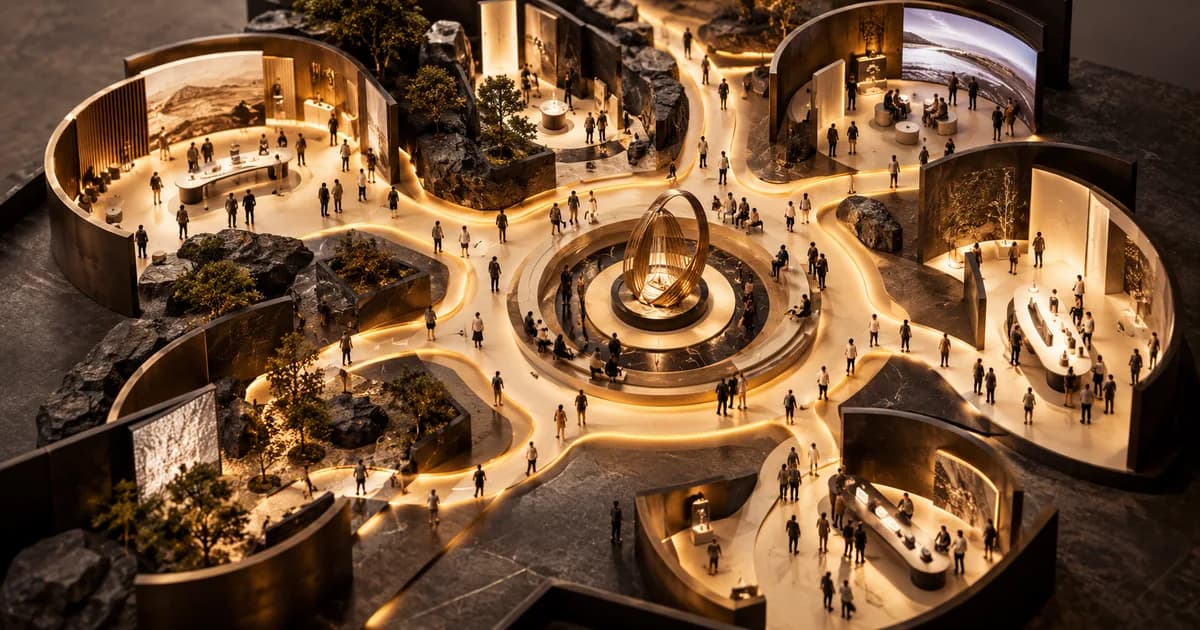
Our suggested approach is to map moments of uncertainty. Where does a first-time visitor pause? Which doors look private? Where can someone wait comfortably? Answer those questions through spatial cues and human support. This connects the creative idea with brand experience strategy, giving the design team a practical standard beyond whether the room looks impressive.
How can sensory design create a coherent experience?
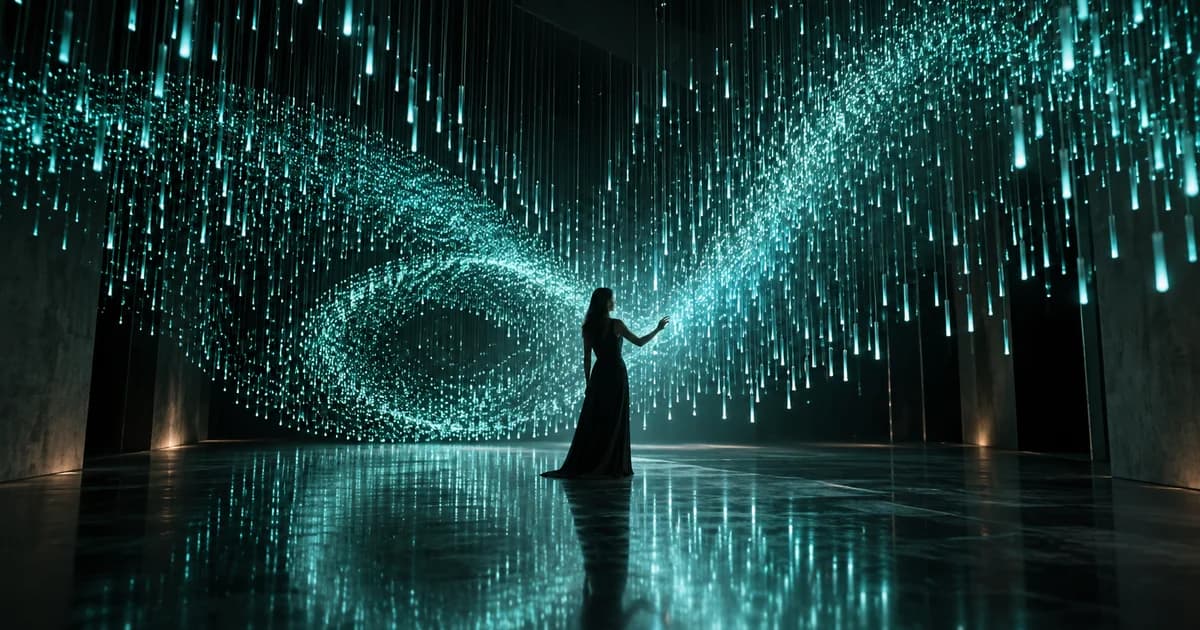
Coordinate the senses around the same intention, while leaving room for individual needs. Light, acoustics, texture and temperature are not separate layers in the guest's experience. They arrive together. A warm material palette cannot compensate for uncomfortable glare, and a carefully chosen soundtrack cannot fix a room in which people cannot hear each other.
Gensler's July 2026 analysis connects memorable hospitality with consistency across sensory touchpoints. Our practical interpretation is to review transitions, not just individual rooms. What changes between street and entrance, reception and lounge, daylight and evening? Abrupt changes can be useful when intentional, but accidental clashes weaken the sense that someone has considered the whole journey.
Make sensory intensity adjustable where possible. Provide quieter seating, readable routes and alternatives to strongly scented or highly stimulating zones. Ask the operating team how the environment can adapt during busy and quiet periods. Accessibility is not only a dimension on a plan; it also concerns how comfortably people can understand and participate in the setting.
Test with materials and lighting samples in realistic conditions. A finish that photographs beautifully may reflect too much light or show wear quickly. A dramatic sound level during a presentation may make ordinary service difficult. Evaluate the recurring daily use, not only the launch event. That is where the design's character becomes a lived experience.
Local character is more than decorative reference
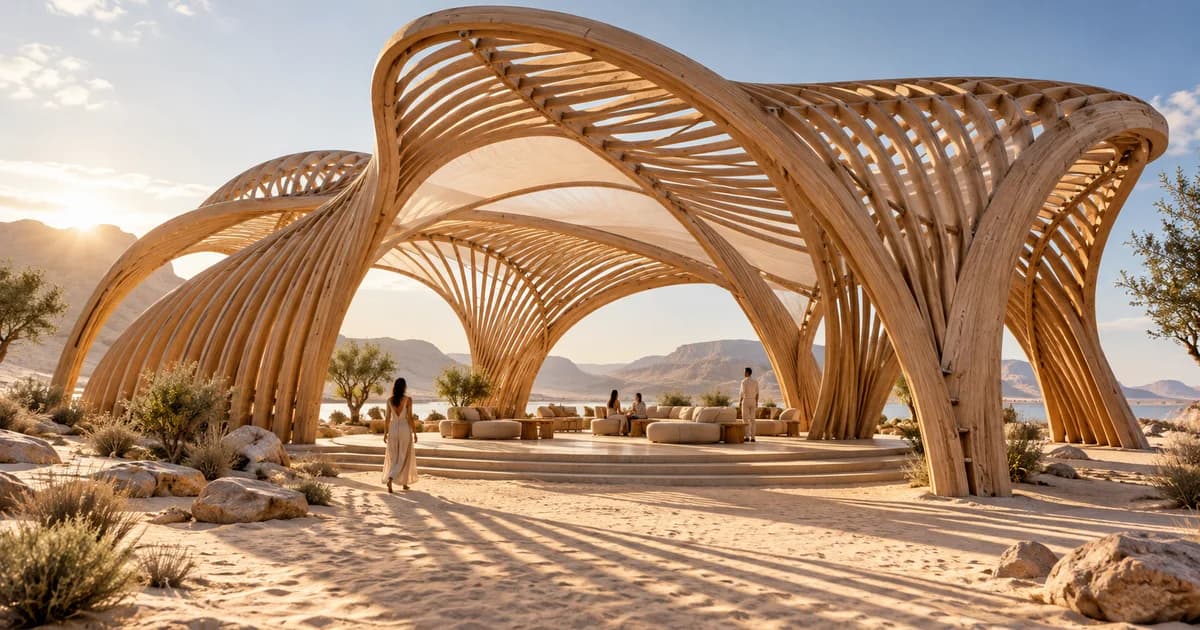
Use local character to shape the way the place works, not just its surface pattern. Materials, craft, food, planting and social rituals can all influence the experience, but each needs a credible connection to the location. A recognisable motif alone does not explain why a destination belongs where it is.
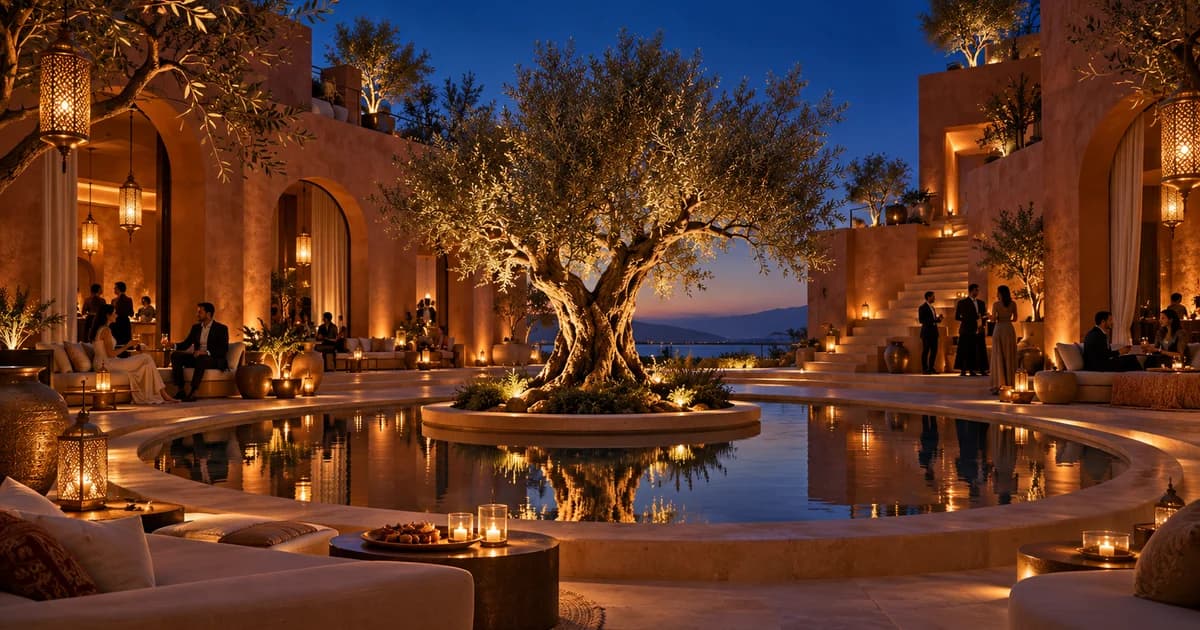
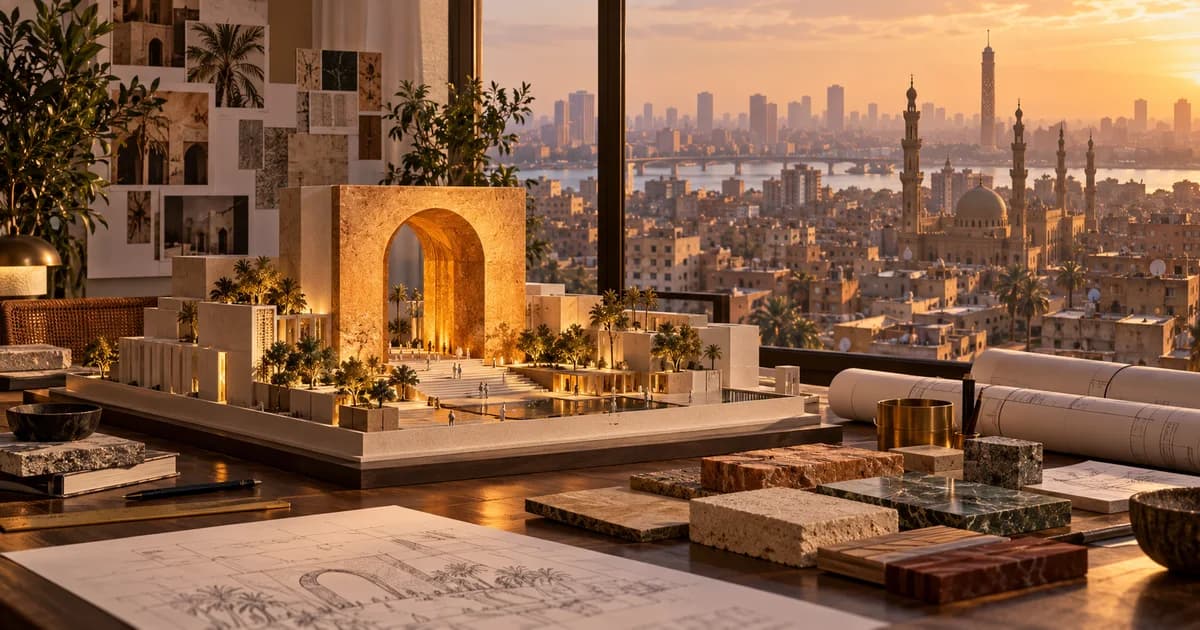
For a Cairo setting, a useful brief might ask how guests gather, when the space is active and how indoor and outdoor areas support each other. For a seasonal coastal destination, the rhythm may be different. Those are questions to investigate with the operator and local collaborators, not assumptions to copy between projects.
Give collaborators a clear role and credit their contribution accurately. If a commission involves a craft practice, understand the making process, maintenance needs and production lead time. Avoid presenting a generic purchased object as a unique local collaboration. Authenticity becomes more convincing when the details can be explained simply and truthfully by the people who host the space.
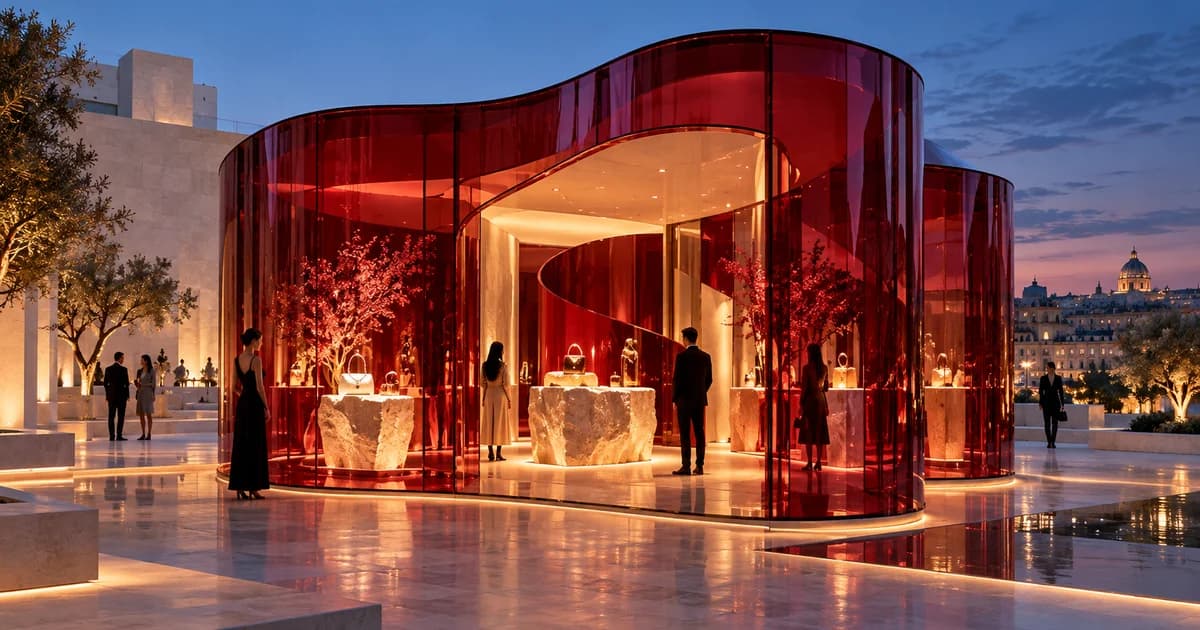
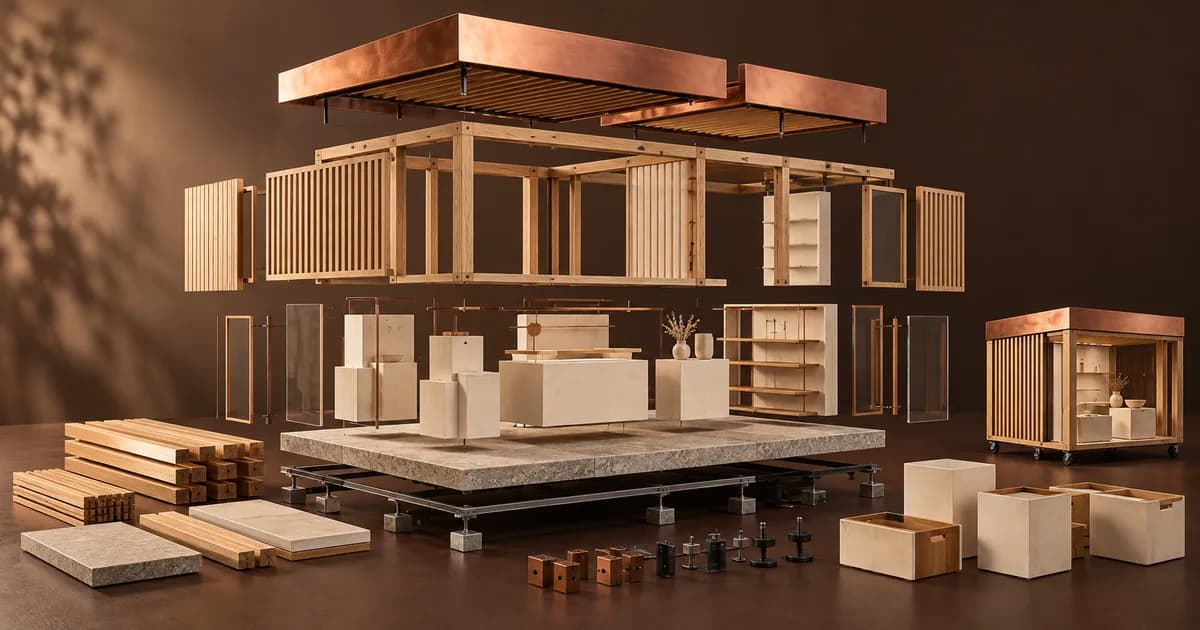
Our design recommendation is to choose a few meaningful references and develop them thoroughly. An arrival gesture, a material transition or a recurring hosting ritual can carry identity across the venue. This is often stronger than filling the room with unrelated references. The same discipline appears in experiential retail, where a brand needs to be understood through use, not decoration alone.
How do operations protect the design after opening?
Design around the team that will run the space. Cleaning, replenishment, repairs and staff movement shape what guests see and feel every day. Service routes should support the intended atmosphere without making work unnecessarily difficult. A detail that cannot be maintained under normal conditions is not finished simply because it looks good at handover.
Include practical access to lighting, controls and replaceable finishes. Document how scenes change during the day and who is allowed to adjust them. Agree how furniture is reset after events, and where temporary equipment goes. These decisions protect the original intention while giving the operator enough flexibility to respond to real guests.
Observe ordinary use after opening. Listen for repeated questions, watch where people choose to sit and identify areas that remain empty. Combine those observations with guest feedback and operational knowledge. Do not assume every behaviour confirms the design concept. An unused feature may need clearer hosting, a different location or removal rather than a more elaborate explanation.
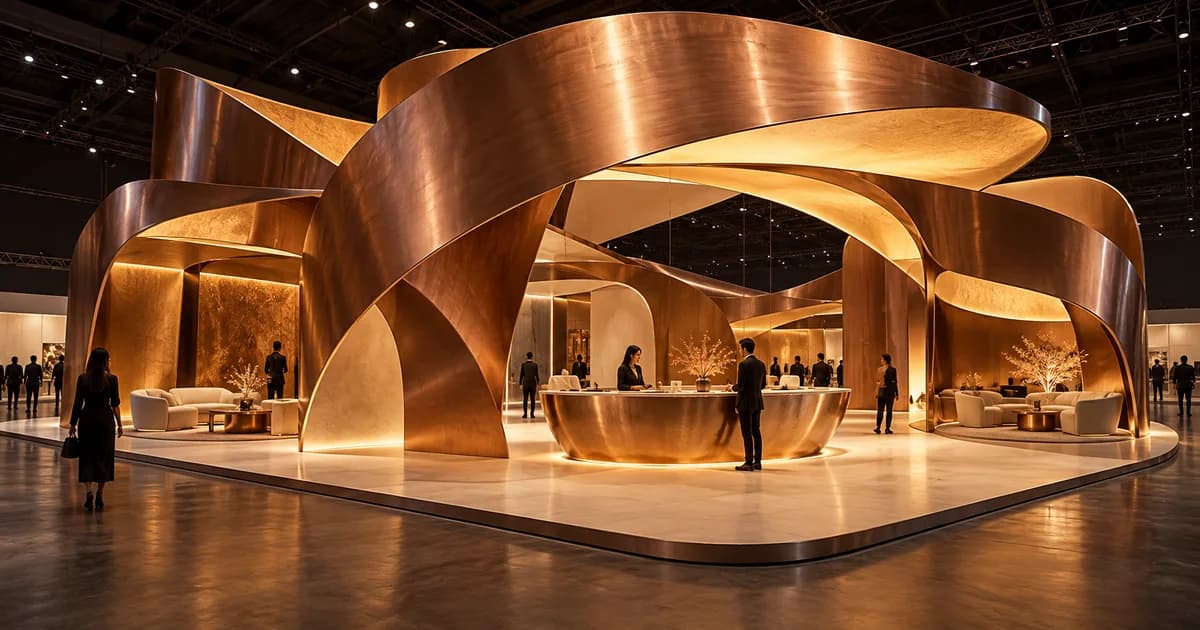
The next brief should connect concept, fit-out and ongoing care. Start with the guest moments that matter, establish the sensory character, and define how the team will sustain it. Explore branded spaces and fit-outs and design restoration and care as connected parts of that process. A welcoming place is a promise renewed through use, not a photograph preserved from opening night.
For a venue launch or guest activation, the agency selection guide for Egypt provides a way to compare partners. Ask who owns the concept, fabrication, on-site operation and handover, and make the evidence behind each proposal part of the decision.
Frequently asked questions
What is hospitality experience design?
+
It is the planning of physical spaces, interactions and service touchpoints around the guest journey. It connects atmosphere with practical details such as arrival, wayfinding, comfort and hosting. The aim is to make the brand's promise understandable and consistent throughout the visit, rather than concentrating only on the room's appearance.
Can an existing venue improve without a complete redesign?
+
Yes. Begin with a walkthrough of recurring guest and staff difficulties. Lighting adjustments, clearer routes, seating changes, repairs or better hosting cues may address important problems. Prioritise changes according to the intended guest experience, and test their effect before assuming a larger construction programme is necessary.
How can a hospitality venue express local identity?
+
Work from the place's actual context: materials, makers, social habits and operating rhythms. Choose references that have a clear purpose and can be explained honestly. Involve relevant local collaborators where appropriate, and avoid relying on decorative stereotypes. Identity should be present in how the venue is used as well as how it looks.
hospitality experience designdestination experiencessensory designbranded hospitality spaces
Editorial note: research is linked where cited. Recommendations are planning guidance, not reported XR client outcomes. International findings are not presented as Egypt-specific market data.
Explore destination & spatial design